













































What Responsible Puppy Ownership Looks Like
What Responsible Puppy Ownership Looks Like
September is Responsible Dog Ownership Month, and for anyone who's brought a puppy home this year, it's a good time to step back and look at what that commitment actually involves day to day. It's less about any single big decision and more about the small, consistent habits that add up over a puppy's first year. It's a designation with no single official sponsor, but it shows up every September as a reminder that the responsibility doesn't end once the initial excitement wears off.
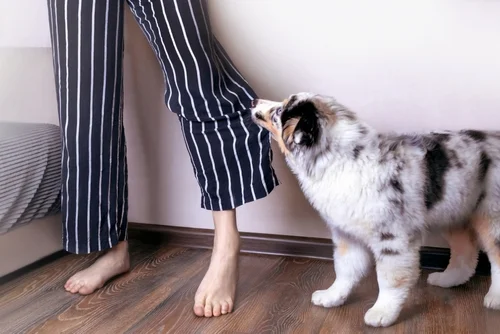
Consistent Training and Boundaries
Puppies learn fastest when the rules don't change from day to day. That means everyone in the household using the same commands, the same reactions to jumping or nipping, and the same expectations around furniture or feeding time. Consistency early on saves a lot of retraining later.
Puppies are also quick to notice inconsistency between household members, and will usually test whichever boundary seems the most negotiable. A united approach, even an imperfect one, tends to produce better results than a stricter set of rules enforced by only one person in the house.
Regular Exercise
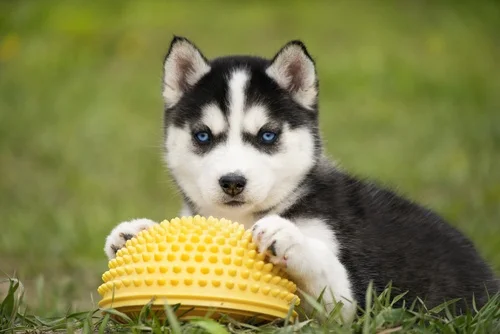
Exercise needs for a puppy aren't just about burning energy. Short, structured play and training sessions do as much for behavior as a walk does. Puppies that get consistent physical and mental engagement tend to settle faster and destroy fewer shoes in the process.
The right amount of exercise also depends heavily on breed and age. A young, high-energy dog pushed into long runs before their joints are ready can do more harm than good, so shorter, structured sessions are often safer until a dog is fully grown.
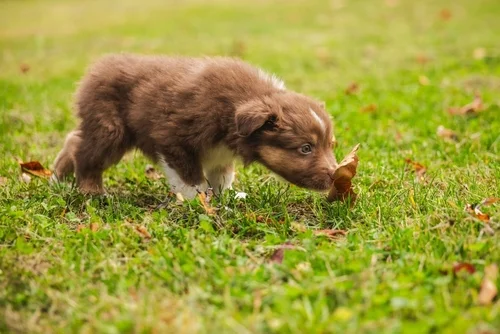
Nutrition That Grows With Them
A growing puppy has different nutritional needs than the adult dog they'll become, and those needs shift again as they get closer to their first birthday. Keeping an eye on portion sizes as they grow, and knowing roughly when to transition your pup to adult dog food, is a quieter but no less important part of responsible care. It's easy to keep feeding whatever worked in the first few months out of habit, but a puppy's caloric needs change as they mature, and overfeeding during this stretch is one of the more common ways extra weight creeps on before adulthood.
Grooming and Maintenance
Responsible ownership also means the less exciting stuff: brushing, nail trims, and staying current on vet visits, even when nothing seems wrong. Building comfort with handling early makes all of this easier for the life of the dog, not just the puppy months.
A puppy that's handled gently and regularly during grooming, even when it isn't strictly necessary yet, tends to tolerate real vet exams and treatments far better as an adult than one who only experiences hands-on handling when something is already wrong.
None of this is complicated, but it is ongoing, and that's really the point of Responsible Dog Ownership Month. A puppy's first year sets the tone for the seventeen or so that follow, and most of what shapes that tone is built from habits repeated hundreds of times rather than any single decision made early on.